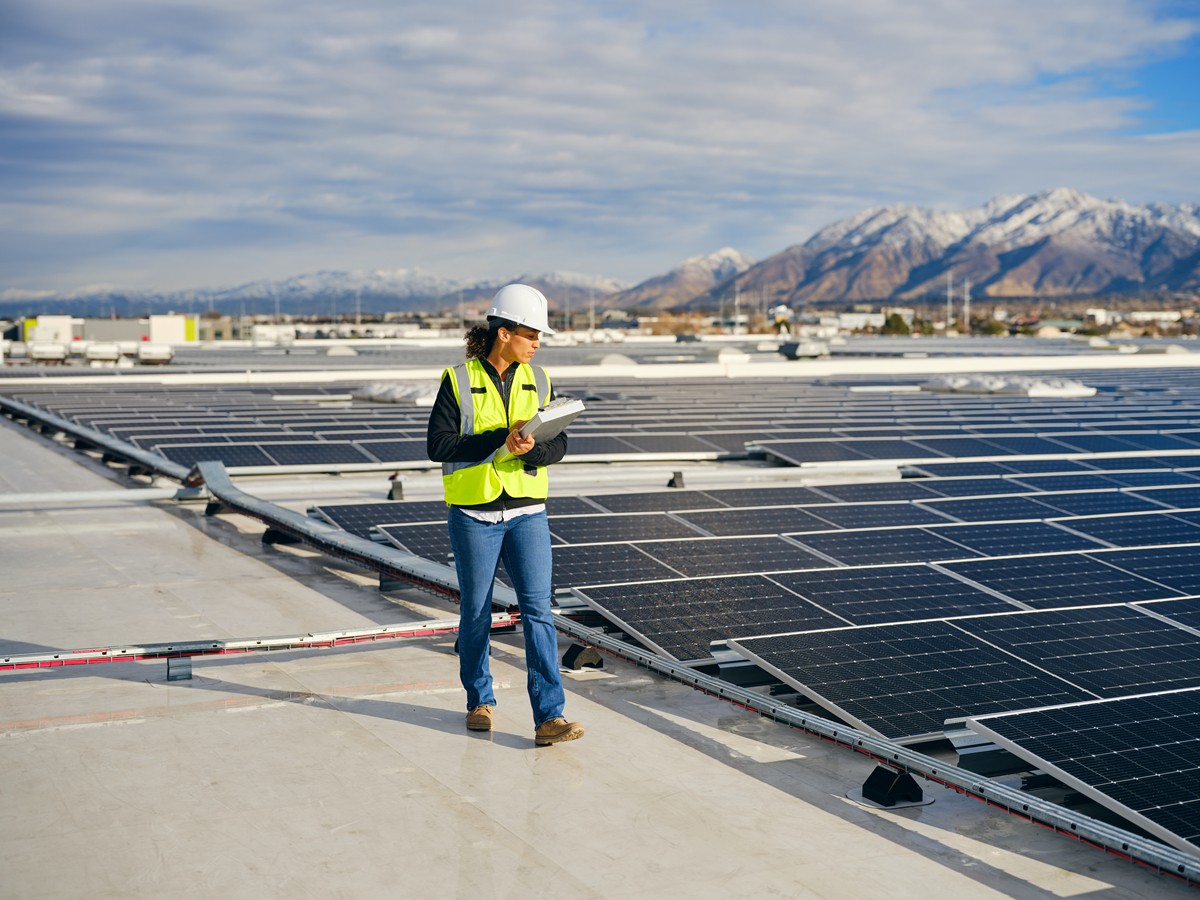
In terms of dimensions, the module has a length of 2384mm, width of 1303mm, thickness of 35mm, and weight of 28.5kg. The mounting hole spacing is 200mm longitudinally and 120mm laterally, compatible with various tracking bracket systems. The operating ambient temperature range is -40°C to +85°C, with a maximum operating current of 13.8A and a maximum reverse current of 15A. The warranty includes a 12-year product warranty and a 30-year linear power warranty, with first-year degradation ≤1%, average annual degradation ≤0.4%, and output power at the end of the 25th year not less than 84.8% of the nominal value.
Solar panel is a device that directly converts sunlight into electricity, working through the photovoltaic effect of semiconductor materials. Currently, the mainstream type on the market is crystalline silicon solar panels, widely used for rooftop power generation, outdoor camping, and large-scale power stations.
- Monocrystalline silicon panels have the highest efficiency, with a conversion rate of 15%-24%, generating more power in the same area, but are slightly more expensive, suitable for homes with limited roof space.
- Polycrystalline silicon panels offer good value for money, with a conversion rate of about 12%-17%, low production cost, and a blue rectangular appearance, suitable for those on a budget.
- Thin-film solar panels are lightweight and flexible, can bend to fit curved surfaces, but have a lower conversion rate of about 9%-14%, suitable for special scenarios like tent tops, vehicle mounting, etc.
- Lifespan is generally 15-25 years, monocrystalline silicon panels have a longer average lifespan. When purchasing, choose brand components with fire rating certification and good warranty after-sales service.
Photovoltaic power generation itself has no radiation or pollution, it simply converts sunlight into electricity, without involving nuclear radiation or harmful substance release. Although electronic devices like inverters produce weak electromagnetic radiation, they all pass EMC electromagnetic compatibility tests, and strict adherence to installation specifications will not cause harm to humans. Before installation, have a professional institution calculate the roof load-bearing capacity, and choose reputable component products for greater safety.