Feeding Supply Yongdu Feed Grade Blood Meal Direct Manufacturer Sales Quality Assurance Welcome to Call for Discussion
Inhouse product
-

LUB12 standard controll unit
$60.00 -
Barbed Wire
$0.00 -
Perforated Sheet Mesh
$0.00
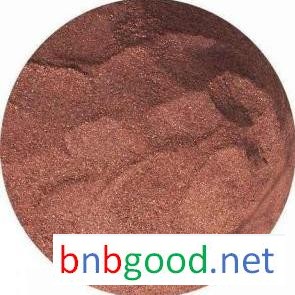
血粉是一种非传统的动物源性饲料。它是通过将家畜或家禽的血液凝结成块,然后加热到高温而制成的。Steaming and boiling, remove the juice,DryingDryingLaterCrushTherefore, due to its high bacterial content, domestic blood meal materials that have not been sterilized cannot be directly used in the processing and mixing of feed.
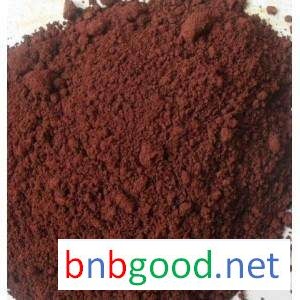
- Blood powder
- An unconventional animal-derived feed
- Press out the juice, dry it in the sun, and dry it in the oven
- Lysine, Arginine, Methionine
The blood meal produced from the processing of blood from different livestock containsCrude ProteinThe content is generally between 60%-80%, while the moisture content is usually controlled within 12%. Lysine contained in blood meal,ArginineMethioninecystineWait a moment.Amino acidsnutrientsIt is necessary for livestock breeding.
Production Process
一、载体血粉简易加工方法 将1--2倍于血量的麸皮(米糠或饼粕粉)与血混合,搅拌均匀后摊晒于水泥地上,勤翻动,一般经4--6小时可晒干,然后粉碎即可。用麸皮或米糠制成的血粉含粗蛋白30--35%,用饼粕粉制成的血粉含粗蛋白45--50%。载体血粉在猪日粮中使用量不宜超过5%,在鸡日粮中一般用3%左右。 也可用大豆磨成粉做载体,加工方法基本同上,但在制作时要把血豆粉做成块状,蒸20分钟,待其凉后搓成细条晾干,再粉碎。血豆粉含粗蛋白47%左右。用血豆粉喂雏鸡用量不宜超过日粮3%,喂青年鸡可全部代替鱼粉,喂蛋鸡可部分或全部代替鱼粉。 二、晒干血粉的加工方法 把鲜血倒入锅内,加入相当于血量1--1.5%的生石灰,煮熟使之形成松脆的团块,捞出团块切成5--6厘米的小块,摊放在水泥地上晒干至呈棕褐色,再用粉碎机粉碎成粉末状,即成血粉。此血粉用来喂肉鸡一般占日粮的3%,喂产蛋鸡占日粮的2--3%。
If 0.2% calcium propionate is added to the blood powder, and the bag containing the blood powder is soaked in a 2% calcium propionate aqueous solution, then dried before being used again, it can effectively prevent mold.
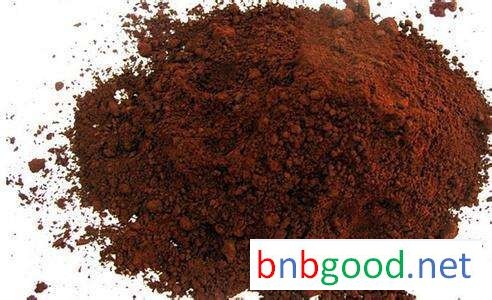
Nutritional Characteristics
The crude protein content of blood meal can reach 80-90%, which is higher than that of fish meal and meat meal. Blood meal is rich in lysine and leucine, as well as valine, histidine, phenylalanine, and tryptophan. The content of lysine in blood meal is the highest among all natural feeds, at 7-8%, which is even higher than that in commonly used fish meal. In contrast, the contents of arginine, methionine, and cystine are very low, and the content of isoleucine is almost zero. Additionally,Blood meal contains various trace elements such as sodium, cobalt, manganese, copper, phosphorus, iron, calcium, zinc, and selenium. The iron content in blood meal is the richest among all feeds, with about 30 milligrams per kilogram, while meat contains only 216 milligrams. The calcium and phosphorus content in blood meal is very low. Blood meal also contains various enzymes that aid digestion, as well as vitamins A, B2, B6, and C. However, compared to other animal protein feeds, the contentsThe content of vitamin B12 and riboflavin is lower, with riboflavin content being only about 115 milligrams per kilogram. In summary, blood meal is a feed with high protein content, but its amino acid composition is unbalanced. Moreover, due to different processing methods, its nutritional components, palatability, and digestibility vary significantly. Additionally, blood meal is susceptible to microbial contamination, making it difficult to store for a long time. It is also prone to becoming damp.clumping, moldy, and decaying.
Quality Standards for Blood Meal for Feed
编辑 中华人民共和国商业行业标准《饲料用血粉》 SB/T10212 — 1994 的技术要求中规定:感观指标与理化指标见表 1 和表 2 。理化指标以粗蛋白质、粗纤维、粗灰分为质量控制指标,各项质量指标均以 90% 干物质为基础,适用范围是用兽医检验合格的畜禽新鲜血为原料加工制成的。供饲料和工业用的血粉,分蒸煮血粉与喷雾血粉 2 类(不包括“发酵血粉”)。 表1 血粉感官指标 (《饲料用血粉》 SB/T10212 — 1994 )| Project | Metrics |
| Characteristics | Dried powdery substances |
| Smell | This product has an inherent odor; there is no odor of corruption or deterioration. |
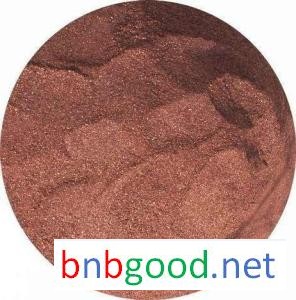
| Color | dark red or brown |
| Crushing particle size | Can pass through a 2~3mm pore sieve |
| impurities | Free of impurities such as sand and gravel |
| Level 质量指标 | Level Two | |
| Crude protein, % | ≥ 80 | ≥ 70 |
| Fine fibers, % | < 1 | < 1 |
| Water content, % | ≤ 10 | |
| Grey score, % | ≤ 4 | ≤ 6 |

Related products
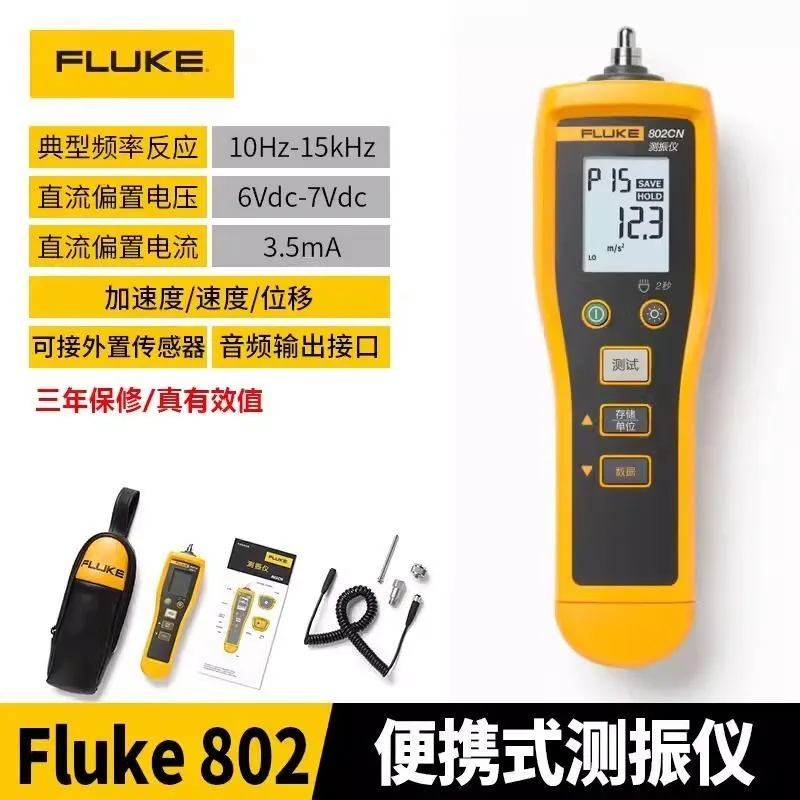
Fluke-805
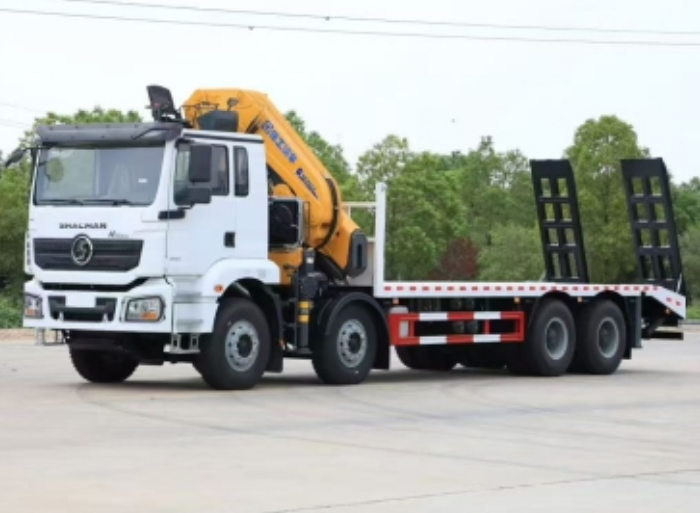
Folding arm crane
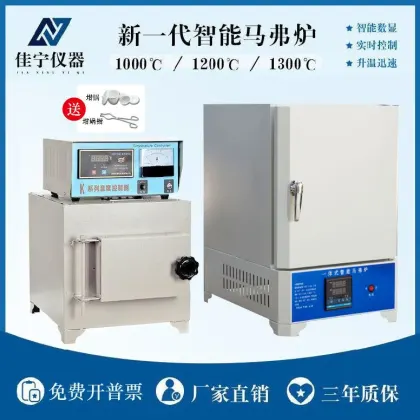
SX2智能马弗炉热处理灰分退火淬火炉高温箱式电阻炉实验电炉工业
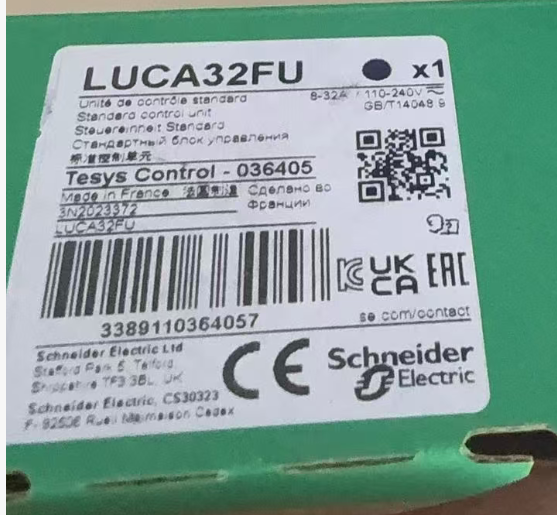
LUB12 standard controll unit
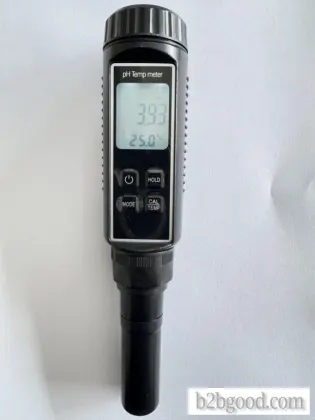
PH- A6 防水笔式高精度 pH / 温度计

Contact Info
- Address: Dezhou city,Shandong,China
- Phone: +86-15166945837
- Email: dzheibei@sohu.com