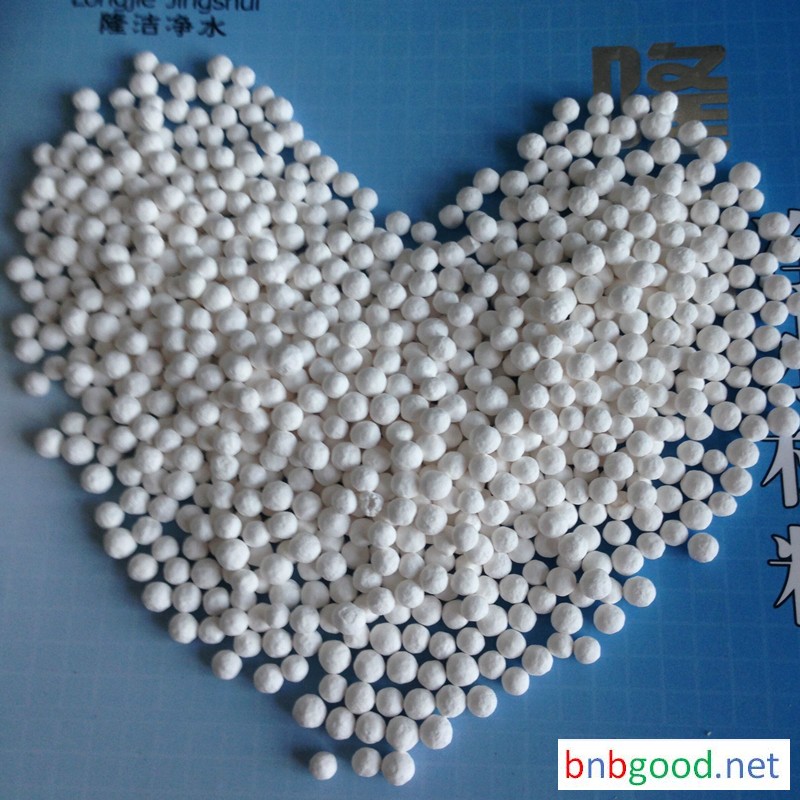
山东分子筛吸附剂 干燥剂 水处理3-5mm 5-7mm 活性氧化铝指标
Inhouse product
-

LUB12 standard controll unit
$60.00 -
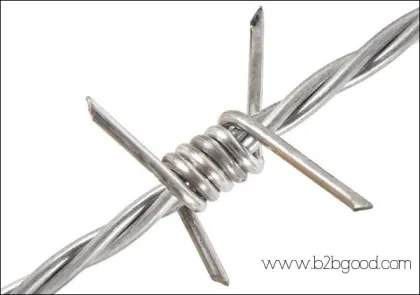
Barbed Wire
$0.00 -
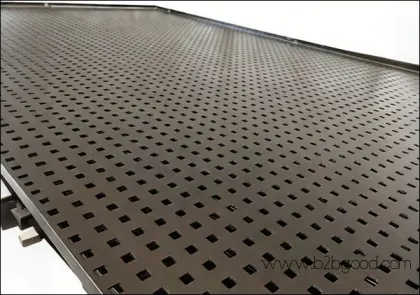
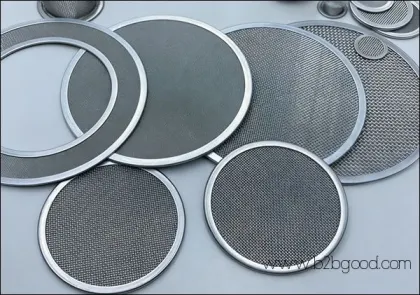
Perforated Sheet Mesh
$0.00

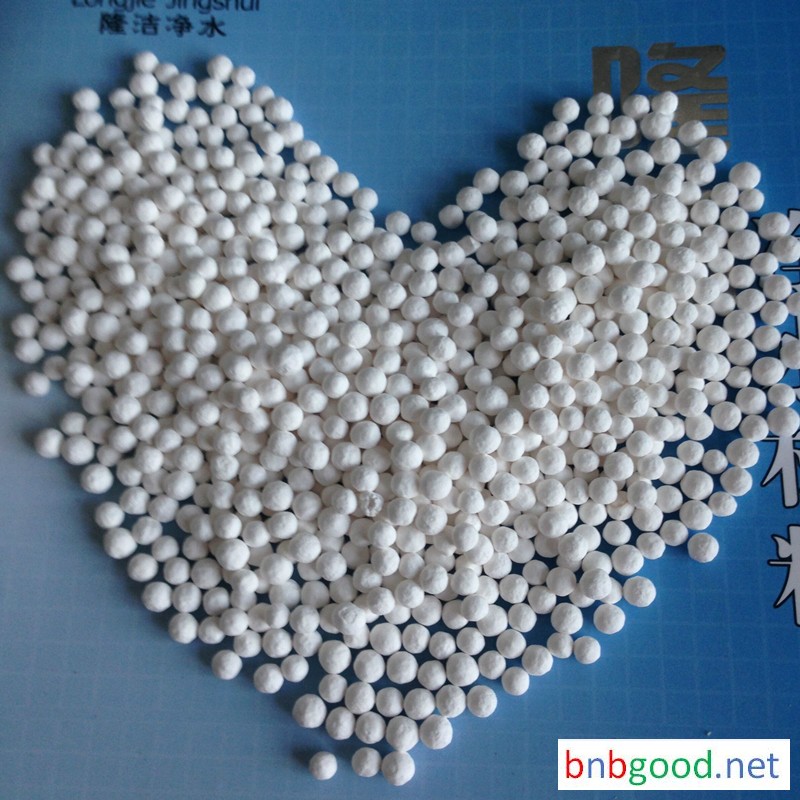
Porous materials are widely used in many fields. Microcellular molecular sieves, as primary catalytic materials, adsorption separation materials, and ion exchange materials, play an increasingly important role in petroleum processing, petrochemical industry, fine chemicals, and daily chemicals.
Molecular sieves, also known as synthetic zeolites, are a type of aluminosilicate microporous crystals. They consist of a basic framework structure made up of silicon oxygen and aluminum oxygen tetrahedra. Within the crystal lattice, metal cations such as Na+, K+, Ca2+, Li+ etc. are present to balance the excess negative charges in the crystal. Molecular sieves are mainly classified into different types based on their crystal structure: type A, type X, type Y, etc.
Molecular sieve related standards:
"3A Molecular Sieve", "4A Molecular Sieve", "5A Molecular Sieve and Its Testing Methods", "13X Molecular Sieve"
"Molecular Sieve Static Water Adsorption Determination Method" "Molecular Sieve Dynamic Water Adsorption Determination Method"
"Determination of Dynamic Carbon Dioxide Adsorption by Zeolite Molecular Sieves" "Method for Determining the Particle Size of Granular Molecular Sieves" "Method for Determining the Packing Density of Molecular Sieves" "Test Method for Compressive Crushing Resistance of Molecular Sieves" "Test Method for Anti-Abrasion Performance of Molecular Sieve Desiccants Used in Refrigeration Systems"
"Industrial Active Alumina" "Active Alumina for Air Separation Equipment - Acceptance Technical Conditions"
The manufacturer produces various desiccants, activated alumina, molecular sieves, and porcelain balls.
Product Introduction: Activated alumina, also known as active bauxite, is commonly referred to as "activated alumina" in the use of alumina as a catalyst. It is a porous, highly dispersed solid material with a large surface area. Its microporous surface possesses the characteristics required for catalysis, such as adsorption properties, surface activity, and excellent thermal stability. Therefore, it is widely used as a catalyst and catalyst carrier in chemical reactions. High-performance activated alumina can bring the following benefits in the composition of amorphous refractory materials: increased density, fluidity, and strength of the matrix, increased production of secondary mullite, and reduced water content and porosity. In addition, activated alumina can also be used as a desiccant, with high water absorption and fast drying speed, and can be regenerated by baking at 400-500K.
Activated alumina belongs to the category of chemical alumina and is mainly used as an adsorbent, water purifier, catalyst, and catalyst carrier. Depending on the application, its raw materials and preparation methods vary. Activated alumina (molecular formula Al2O(3-x)(OH)2x, 0<x<0.8) is one of the widely used inorganic chemical products in the world. Due to its porous structure, high specific surface area, and unstable transition state, activated alumina has significant activity. In the petrochemical and fertilizer industries, it is extensively used as a catalyst and catalyst carrier. Activated alumina also has adsorption properties, making it used as a desiccant for gases and liquids, an adsorbent for gas purification, a fluoride removal agent for drinking water, and a substance for eliminating the color and odor of industrial wastewater. The main industrial activated alumina products today are produced by rapid dehydration methods. Activated alumina refers to calcined alumina with α-Al2O3 as the basic component, finely ground to a size of 1μm, accounting for 20%-90% of the total.
Formula: Al2O3 ·nH2O (Molecular Weight: 101.96 + nH2O) CAS No.: 1344-28-1
The nano-aluminaXZ-L14 appears as a white, fluffy powder. Its crystal form is alpha-type. The particle size is 20nm; the specific surface area is ≥50m²/g. It has a uniform particle size distribution, high purity, high dispersion, and is alpha-Al2O3. It has a low specific surface area, is inert under high temperatures, but does not possess catalytic activity. It is highly heat-resistant, has good formability, stable crystal phase, high hardness, and good dimensional stability. It can be widely used in strengthening and toughening various products such as plastics, rubbers, ceramics, and refractory materials. In particular, it significantly improves the density, smoothness, thermal fatigue resistance, fracture toughness, creep resistance of ceramics, and the wear resistance of polymer materials. Since alpha-alumina is also an excellent far-infrared emitting material, it is used as a far-infrared emitting and insulating material in chemical fiber products and high-pressure sodium lamps. Additionally, alpha-alumina has a high resistance and good insulation properties, making it suitable for use in the main components of YGA lasers and integrated circuit substrates.
Technical specifications: 1. Nanoscale alumina slurry XZ-L14, appearance: white powder. 2. Nanoscale alumina XZ-L14, crystal phase: α phase. 3. Average particle size of nanoscale alumina XZ-L14 (nm): 20±5. 4. Content percentage of nanoscale alumina XZ-L14: greater than 99.9%. Long Clean Water Materials Co., Ltd. offers a 24-hour sales hotline. We can provide [value-added tax invoice] and [business license]. Contact person: Mr. Yang. Phone: 0371-64571361. Fax: 0371-64571368. Mobile phones: 13733876978, 13838514001.
Website: www.hnljjs.com
Related products
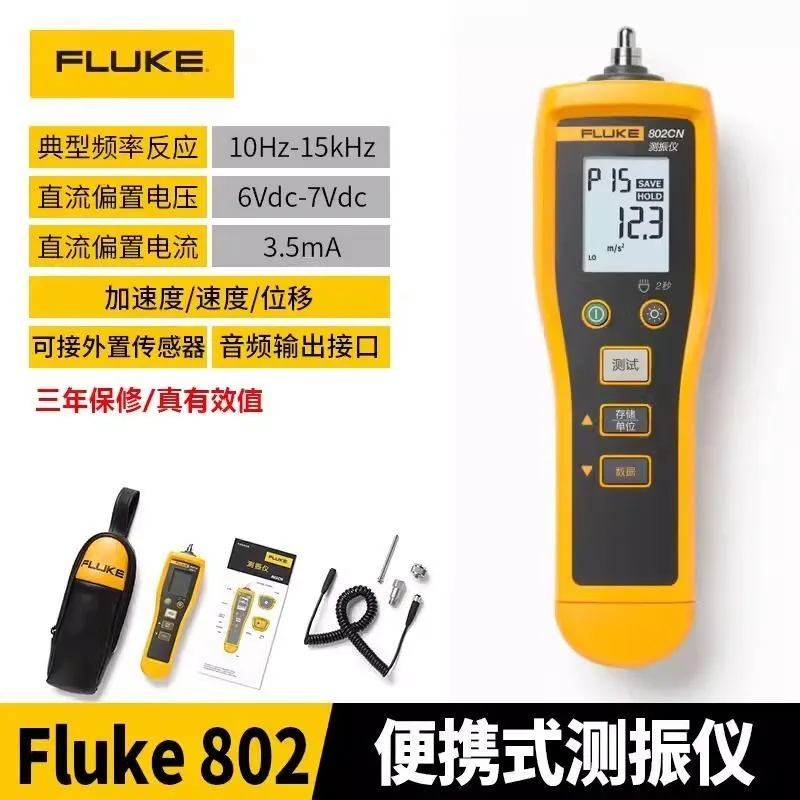
Fluke-805
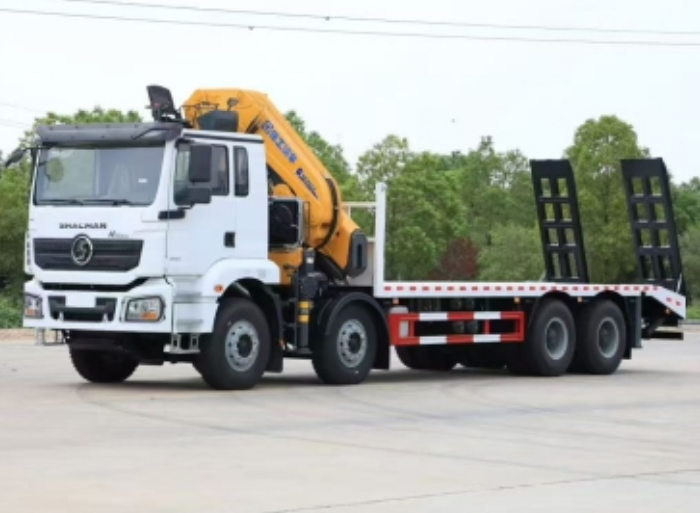
Folding arm crane
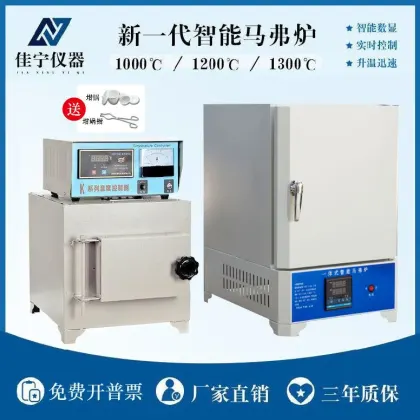
SX2智能马弗炉热处理灰分退火淬火炉高温箱式电阻炉实验电炉工业
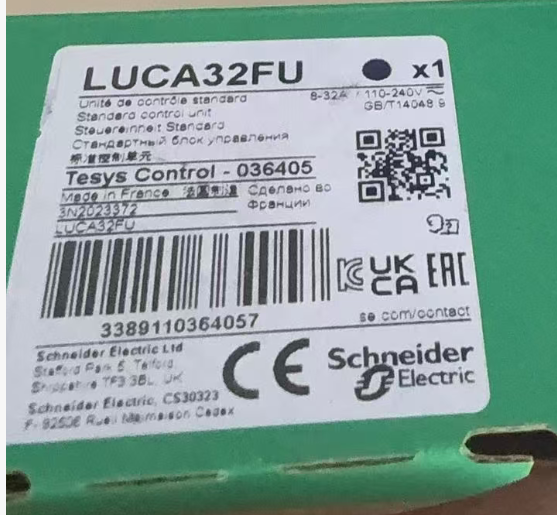
LUB12 standard controll unit
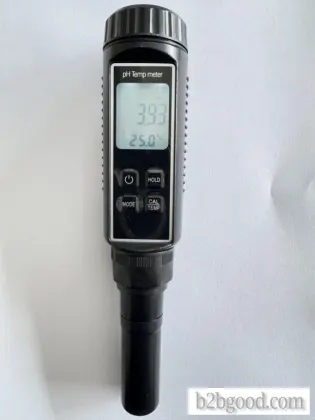
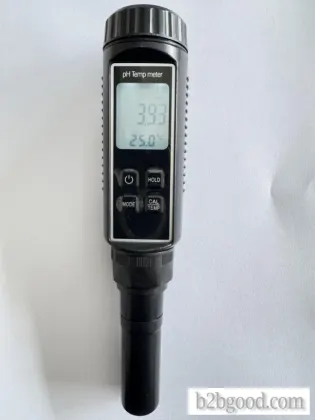
PH- A6 防水笔式高精度 pH / 温度计

Contact Info
- Address: Dezhou city,Shandong,China
- Phone: +86-15166945837
- Email: dzheibei@sohu.com