
含氮、含硫与杂环化合物 -调香术(第三版)(配光盘)
Inhouse product
-

LUB12 standard controll unit
$60.00 -
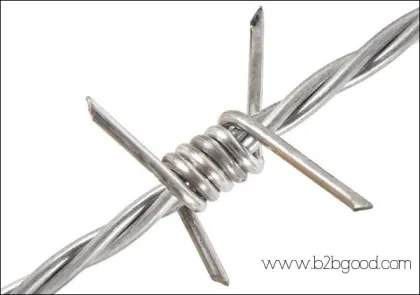
Barbed Wire
$0.00 -
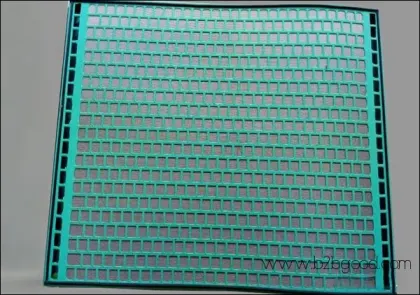
Perforated Sheet Mesh
$0.00


The latest complete set of exclusive series technical information: (2 copies) + exclusive internal information (2 copies) + package postage = 290 yuan cash on delivery
This set of information covers almost all the latest information on the market.
(1) The Authentic Book of Tiaoxiang (Third Edition)
(2) Authentic Edition of Edible Flavoring (2nd Edition)
(3) Compilation of Internal Data of Various Flavoring Techniques (2 CD-ROMs), containing more than 1000 pages of exclusive information
The detailed catalogue is as follows:
(1) The Authentic Book of Tiaoxiang (Third Edition)
This book is a monograph on modern flavor theory and practice. It introduces the history of spice blending in China and abroad, as well as new theories about fragrance and taste from both domestic and international sources in recent years. In particular, the author proposes three theories regarding the value of fragrance and taste, an ABC diagram of natural aroma relationships, the theory of aroma resonance, and the theory of chaotic blending. These theories are analyzed economically in light of market conditions. "Economic Fragrance Blending" — that is, how to use the cheapest spices to create the most valuable flavors. Based on practical experience in flavoring, this book explains the use of specialized techniques such as gas chromatography, liquid chromatography, mass spectrometry, electronic nose technology, and the use of computers to simulate fragrance and incense. The book contains a large number of valuable insights.and practical flavor formulas, as well as physical and chemical data for over 4000 kinds of spices, making it a reference book for those in the field of flavoring. It serves as a reference book for technicians who are engaged in spices, fragrances, and fragrance industry. This book can be used as a major or supplementary teaching material for professional teaching materials in the fields of flavor and fragrance, fine chemicals, daily necessities, food processing, feed processing, etc. It is also suitable for readers who are interested in these areas.With medium and advanced cultural levels.
Introduction: The artistic achievements of perfumers
Chapter I Historical Records of Chinese and Foreign Fragrances
Chapter 2 Aroma Characteristics of Commonly Used Monomer Fragrances and Their Application
Application
SECTION I TERPENES AND THEIR DERIVATIVES
First,
2. Laurylene
Three, limonene
IV. Caryophyllene
5. Lonifene
Eucalyptus oil
Section II Alcohols
Ye Chun
Two.
Three. Cinnamyl alcohol
4. Citronellol, Rostol, geraniol and
Neroli
5. Linalool
6. Dihydrolauryl enol
Terpineol
8. Tetrahydrolinalool
9. Nerol tertiary alcohol
Section 3 Ethers
I, II and Methyl Bis
2. Ethyl Naphthalene Methyl Ether and Ethyl Naphthalene
3. p-cresol methyl ether
Rose ether
V. Ambergris Ether and Dropping Ambergris Ether
Section 4 Phenols and Their Derivatives
I. Eugenol and Isoeugenol
2. Maltol and Ethyl Maltol
Thymol
Section 5 Aldehydes
I. Aliphatic aldehyde
2. Methyl amyl cinnamaldehyde and methyl hexyl cinnamaldehyde
3. Hydroxycitronellal, bollaldehyde, neobollaldehyde and
Rabbit ear aldehyde
IV. Vanillin and Ethyl Vanillin
Five, and new
VI. Ligustrum lucidum
VII. Citrus Penicillaldehyde
Eight, benzene
Nine.
Section 6 Ketones
I. p-acetone
II. Iolones
3. Raspberry Ketone
IV. Turkish Ketones
V. Methylcedrone and ambergristone
Section 7 Acetals and Ketals
One or two
2. Malate
3. Hyacinthin
Section VIII Acids
I. Strawberry acid
Two.
Section 9 Esters
I. Benzyl acetate
2. Phenylethyl acetate
Citronellyl acetate, geranyl acetate, orange blossom acetate
Esters and Rose Acetate
4. Linalyl acetate
V. Terpinyl acetate
6. Isobornyl Acetate
7. p-tert-butyl cyclohexyl acetate
VIII. Isonononyl Acetate
9. Butyl esters and amyl esters
10. dihydrojasmonate
XI. Benzyl Ester and Benzyl Ester
Phenylethyl ester
13. Leaf acetate
Section 10 Lactones
I. Propylenolactone
II. Undecanolactone Propionate
3. Butyldecanolide
IV. Coumarin
Section 11 Synthetic Sandalwood
I. Synthetic Sandalwood 803
2. Synthetic Sandalwood 208
3. The Javaese charm of "Sandalwood wood";
IV. Synthetic Sandalwood 210
5. Ethanol
6. Tetragalol
VII. Polysandalyl alcohol
8. Super Sandalwood Alcohol
IX. Sandalwood Ether
10. Fine Sandalwood
11. Vansol Sandalwood
Section 12 Artificial Musk
I. Sunflower Musk and Ketone Musk
2. Jiale Musk, Turner Musk, and Sally Musk
3. Musk 105, Musk T, and 15
lactone
Section 13 Nitrogen, Sulphur and Heterocyclic Compounds
Indole
II. Isobutyl
3. O-carbamate
IV. Citronitrile
V. Dibutyl sulfide
Six, ketone
7. Pyrazines
VIII. Thiazole Food Flavors
CHAPTER III AROMATIC CHARACTERISTICS AND APPLICATIONS OF NATURAL FLAVORS
Section I Animal Spices
Musk
2. Muskrat
3. Civet Cat Fragrance
IV. Ambergris
V. Beaver
6. Hydrolyzed fish extract
Section 2 Plant Spices
I. Jasmine Extract and Pure Oil
II. Rose Extract and Pure Oil
3. Ink Red Extract and Pure Oil
IV. Osmanthus fragrans extract and purified oil
5. Extract of Tree Orchid and Oil of Tree Orchid Leaf
6. Lai Baidang Extracted and Purified Oil
Iris Extract and Pure Oil
8. Magnolia Flower Oil and Magnolia Leaf Oil
9. Hawthorn Flower Oil and Hawthorn Leaf Oil
10. Yilan Yilan Oil and Kanan Refueling
Lavender Oil
XII. Perilla Oil and Perilla Oil
XIII. Fragrant Leaf Oil
14. Clover Oil and
XV. Sweet Orange Oil and Deterpene Sweet Orange Oil
16. Lemon Oil and Lemon Leaf Oil
17. Lemon Oil
XVIII. Litsea cubeba oil
Eucalyptus oil
Tea Tree Oil
Turpentine
22. Camphor Leaf Oil
Citronella oil
24. Lemon Eucalyptus Oil
Sandalwood Oil
26. Cedar Oil
27. Patchouli oil
28. Fragrant Root Oil
Twenty-nine. Glycerol
30. Asian peppermint oil and peppermint oil
31. Spearmint Oil
32. Oak Moss Extract and Oak Moss Pure Oil
Thirty-three. Benzoin extract
34. Camphor Leaf Extract and Camphor Lignans
35. aloes and aloes
Section 3 Maillard Reaction Products
I. Maillard reaction mechanism
Factors Influencing the Maillard Reaction
3. Mechanism of meat aroma formation
IV. Application of Maillard Reaction
Section 4 Microbial Fermentation Products
Biology of Tobacco Flavors Produced by Microbial Fermentation
Basics
2. Examples of methods for producing tobacco flavors by microbial fermentation
Flavoring Experiment
Section 5 - "Natural Reaction" Products
Chapter Four: The Theory Basis of Fragrance Evaluation and Fragrance Mixing
Section I Early Theory of Fragrance Evaluation and Fragrance Mixing
The three values of secondary flavors and fragrances
I. Fragrance Ratio
2. Golden Section Method
3. Recognition of Touxiang, Tixiang, and Kexiang
IV. Luxiang Value
V. Fragrance Value
Six. Comprehensive evaluation of the practical value of perfumes and fragrances
Section 3 Aroma Expressions and Aroma ABC
Section 4 Chaotic Mathematics, Fractal and Fragrance Mixing
Section 5 Fractal Dimension of Aroma
Section 6 Aroma Resonance Theory
The seventh section is "of flavors, fragrances and scents; aging"
Chapter five discusses the daily flavor and its applications.
Section 1: Daily flavors are commonly used in flavor.
1. Flower fragrance
Two, fruit flavor
Three. Costa Flavor
Four, Qingxiang flavor
Five, medicinal flavor
6. Animal Flavors
Seven, aldehyde flavor.
Eight, compound essence
Nine, fantasy essence
Second environmental flavors
1. Air Freshener Essence
Two, candle essence
Three, incense flavor
IV. Animal Repellents
The third fragrance of perfume
Women's Perfume
Two, men's perfume essence
The fourth section is cosmetic essence.
The fifth section detergent essence
Sixth Aromatherapy Essences
Health, sub-health, and depression
2. Commonly used essential oils for aromatherapy
3. Essential Oil Therapeutic Tables
IV. Preparation of Essential Oil
5. Correct Understanding of Essential Oils
6. Compound Essential Oil
VII. Use of Essential Oils
8. Essential oils are directly used in the fragrance of daily necessities.
Seventh Flavors Remixed
Eighth Capsule Essence
Introduction to Microencapsulated Essence
Two. Production of microcapsule flavors
III. Application of Microcapsule Essence
Chapter VI Edible Flavors and Seasonings
Section 1 Common flavor types of edible flavor base
I. Fruit flavor
2. Nut aroma
3. Cooked meat flavor
4. Frankincense type
V. Spicy-scented Type
6. Liangxiang Type
VII. Vegetable Flavor
VIII. Flower-scented Types
9. Other Types of Fragrance
Section 2 Application of Edible Fragrance Base
Food flavor preparation
Two. Flavors that are used or prepared daily.
III. Other Uses
Section 3 Seasonings
Chapter seven is about liquor flavor.
The Production and Classification of the First Wine
Blending of the Second Wine
The third batch of basic raw materials used for alcoholic beverage consumption
Liquor Flavor
Two, imitation wine flavor
Fourth flavoring formula for liquor consumption
Chapter eight discusses toothpaste mouthwash essence and its applications.
Chapter Nine: Feed Flavor and Its Application.
Section 1 Function Mechanism of Feed Flavor
Second Kinds of Feed Flavors and Their Adding Methods
Characteristics of feed flavor products
II. Characteristics of Microencapsulated Fragrances
III. Characteristics of Sweetening Agents
Four, added flavor feeding method
The third function of feed flavor
1. Feed flavor affects animal appetite and production performance.
Influence
Two, adjust the feed formula to eliminate peculiar smells and enhance the flavor of the feed.
Influence
Three. The flavor of animal feeding behavior and attractants.
Influence
4. The flavor of the feed promotes the development of the animal's digestive glands.
Nutrient digestion and absorption
Five. Effects of feed flavor on relieving animal stress
Six. The effect of feed flavor on the commercialization of diet
Seven, natural feed essence is expected to solve the problem of antibiotic abuse.
problem
The effects of fourth feed flavors on different animals
1. Pig feed flavor
Two, feed flavor for cattle
Three, other livestock feed flavors
Four, chicken feed flavor
5. Fish Feed Flavoring Agents
6. Pet Feed Flavoring Agents
Seven. Feed essence for other animals
Section 5 Compatibility of Feed Flavoring Agents
SECTION VI Experimental Methods for Feed Aromatization
I. Parallel Experiments
2. Inversion experiment method
3. Single-throw experiment method
Seventh Research Methods of Spices in Fodder Flavor
Research outline of the eighth feed flavor
Ninth Feed Flavor Formula
The tenth section discusses the antiseptic and antioxidant effects of feed flavors.
Chapter Ten: Tobacco Flavor and Its Application.
Section I Smoking and Health
Section II Factors Affecting Tar Production in Cigarettes
Section 3 Jiaxiang
I. Flower-scented Fragrances
2. Non-floral fragrances
Fourth examples of formula for tobacco flavor
CHAPTER XI ECONOMIC AROMATICS
Section I Natural and Synthetic Perfumes
Section 2 Domestic and Imported Perfumes
Section 3 Utilization of spice scrap
Section 4 Selection of Solvents
Section 5 Skillfully Use Fragrances with High Fragrance Intensity
Section 6. Self-made Fragrances and Solvents
Section 7. Computers assist you with your detailed accounts
Section 8 Concerns about the Spices Market
Section 9: Bold Use of New Perfumes
Section 10: "Two high and one low" and "Two low and one high"
spice
CHAPTER XII EXPERIMENTS AND EVALUATION OF COMMONY AROMATICS
Flavoring Laboratory of First Festival Supplies Manufacturing Plant
The Second Fragrance Laboratory of the fragrance factory
SECTION III SENSORY ANALYSIS
Section 4 Human Olfaction
Section 5 Modern Fragrance Evaluation Organization
I. Basic Law of Olfaction
Types of Fragrance Appraisal
3. Selection and Training of Fragrance Appraisers
IV. The Experimental Environment of Fragrance Evaluation
5. Common methods of fragrance evaluation and analysis
VI. Electronic Nose for Fragrance Evaluation
7. Evaluation of Fragrance in Other Flavor Products
Chapter 13 Imitation and Creation of Fragrance
Section I Gas Chromatographic Conditions
Section 2 Sampling methods and preliminary analysis by gas chromatography
Imitation fragrance
Section 3 Chromatographic Charts of Natural Flavors
Section IV Solid Phase Microextraction and Headspace Analysis
The fifth section analyzes natural spices and exotic flavors.
Section 6 Qualitative analysis of fragrance imitation by gas chromatography with two columns
Seventh Section On-line Flavor Imitation by GC-MS
Section 8 High Performance Liquid Chromatography Assisting Fragrance Imitation
Section 9 Creating Fragrance on the Basis of Imitating Fragrance
The tenth section is the name of incense and essence.
Section 11 Imitation and Anti-Imitation
Chapter 14 Computer Fragrance Mixing
Section I Software for Flavoring
Section 2 Automatic Trial Equipment
Section 3 combines fragrance imitation with "electronic nose" etc.
Part 4: Computer Creation
Reference
2) Authentic Edition of Edible Flavoring (2nd Edition)
Chapter 1 Introduction
1.1 Definition and Basic Concepts of Edible Flavor
1.2 The function of flavor
1.3 Analysis of Edible Flavor Formula
1.4 threshold
1.5 Quality Control and Testing of Edible Flavors
1.6 Safety of edible flavors
1.7 Edible Flavorist
Reference
Chapter 2: Classification of Fragrances
2.1 The Relationship Between Molecular Structure and Aroma
2.2 Methods for classifying fragrances
Reference
Chapter 3 Edible Flavorings
3.1 Essential Oils
3.2 Extraction
3.3 Oil Remover
3.4 Resins, Oils
3.5 Tincture
3.6 Hydrocarbon Fragrances
3.7 Alcoholic Flavors
3.8 Phenolic Fragrances
3.9 Ether-based Fragrances
3.10 Aldehydes Fragrances
3.11 Ketone Fragrances
3.12 Carbonyl Fragrances
3.13 Acidic Flavors
3.14 Esters and Fragrances
3.15 Lactone Fragrances
3.16 Nitrogen-containing fragrances
3.17 Sulfur-containing fragrances
3.18 Spice compounds that have been awarded FEMA numbers in recent years
Reference
Chapter 4 Fruit-Aroma Edible Flavors
4.1 Introduction
4.2 Apple Fragrance
4.3 Pear Flavor
4.4 Peach Essence
4.5 Apricot Fragrance
4.6 Grape Essence
4.7 Strawberry Flavor
4.8 Pineapple Flavor
4.9 Sweet Orange Flavor
4.10 Lemon Flavoring
4.11 Banana Fragrance
4.12 Mango Flavor
4.13 Litchi Essence
4.14 Cherry Essence
4.15 Raspberry Fragrance
4.16 Black Currant Flavor
4.17 Coconut Fragrance
4.18 Hawthorn Flavor
4.19 Melon Flavor
4.20 Bayberry Essence
Reference
Chapter 5 Nut-Aroma Edible Flavors
Chapter 6: The Essence of Meat Flavor
Chapter 7: Vanilla Edible Flavors
Chapter 8 Spicy Flavor Edible Essences
Chapter 9 Cool Fragrance Edible Flavors
Chapter 10 Vegetable and Fruit-Type Edible Flavors
Chapter 11 Fragrant Edible Flavors
Chapter 12: Aroma-Infused Edible Flavors
Chapter 13 Other Types of Edible Flavors
Chapter 14 Analysis of Food Flavors
(3) Compilation of Internal Data of Various Flavoring Techniques (2 CD-ROMs), containing more than 1000 pages of exclusive information
The table of contents is as follows:
Chapter 1 Foundation Theory of Perfumery
Section One: Chaotic Mathematics, Fractals, and Perfumery
Section Two: The Dimension of Aroma
Section Three: Diagram of Natural Odor Relationships
Section Four: The 'Mutual Promotion', 'Mutual Restraint', and 'Complementary Enhancement' of Spices
Section 5: Resonance Theory
Section 6: Words and Terms for Aroma Expression and the ABC of Odors
Section Seven: The Three Values of Fragrances and Essences
I. Fragrance Ratio
2. Golden Section Method
3. Recognition of Touxiang, Tixiang, and Kexiang
IV. Luxiang Value
V. Fragrance Value
Six. Comprehensive evaluation of the practical value of perfumes and fragrances
Section Eight: The Aging Process of Essences and Perfumes
Chapter Two: Aroma Characteristics and Applications of Common Synthetic Flavors
Section One: Terpenes and Their Derivatives
First,
2. Laurylene
III. Triene
IV. Caryophyllene
5. Lonifene
Eucalyptus oil
Section Two: Alcohols
Ye Chun
Two.
Three. Cinnamyl alcohol
IV. Citronellol, Geraniol, Citral, and Nerolidol
5. Linalool
6. Dihydrolauryl enol
Terpineol
Section Three: Ethers
I, II and Methyl Bis
2. Ethyl Naphthalene Methyl Ether and Ethyl Naphthalene
3. p-cresol methyl ether
Rose ether
5. Dragon's Whisky Ether and Degraded Dragon's Whisky Ether
Section Four: Phenols and Their Derivatives
1. Eugenol and Isoeugenol
II. Maltol and Ethyl Maltol
III. Thymol
Section Five: Aldehydes
1. Fatty Aldehydes
2. Alpha-pentyl cinnamaldehyde and alpha-hexyl cinnamaldehyde
III. Hydroxycitronellal, lily aldehyde, neolily aldehyde, and hederaldehyde
Four, Vanillin and Ethyl Vanillin
Five, with the new
6. Ligustylaldehyde
Seven, Citronal
Eight, Benzene
Section Six: Ketones
1. For Ethyl Ketone
2. Zirconone category
3. Raspberry Ketone
Four, Turkic Ketones
5. Methylal and Ambra Ketone
Section Seven: Aldehyde-Ketone Condensation Reactions
1. One
2. Two
II. Apple Ester
III. Hyacinthine
Section Eight: Acids
1. Strawberry acid
Two,
Section Nine: Esters
1. Benzyl acetate
2. Ethyl acetate
III. Citronellic Acetic Esters, Geranilic Acetic Esters, Orange Flower Acetic Esters, and Rosemary Acetic Esters
4. Lavandin Acetate
5. Terpineol Acetate
VI. Isobarbalone acetate
VII. Tert-butylcyclohexyl acetate
8. Isononyl Acetate
Nine, Butyl Esters and Pentyl Esters
Ten, Dihydrojasmate
……
Chapter Three: Aroma Characteristics and Applications of Natural Resources
Chapter Four: Economic Aromatherapy
Chapter Five: The Essence of Daily Use and Its Applications
Chapter Sixteen: Edible Fragrances and Their Applications
Chapter Seven: Flavors for Wine and Their Applications
Chapter Eight: Flavors of Toothpaste and Mouthwash and Their Applications
Chapter Nine: Feed Flavor Essences and Their Applications
Chapter Ten: Tobacco Flavors and Their Applications
Chapter Eleven: Experiments with the Addition of Fragrance to Daily Items and the Evaluation of Fragrances
Chapter Twelve: Imitating Fragrances and Creating New Fragrances
Chapter Thirteen: Computer-Aided Flavor Development
Related products
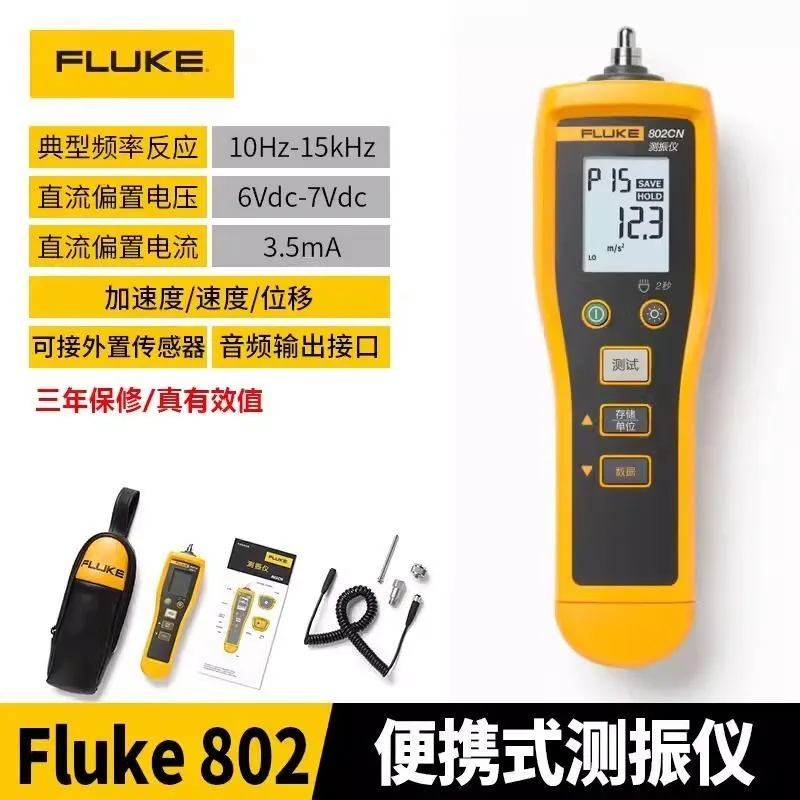
Fluke-805

Folding arm crane

SX2智能马弗炉热处理灰分退火淬火炉高温箱式电阻炉实验电炉工业
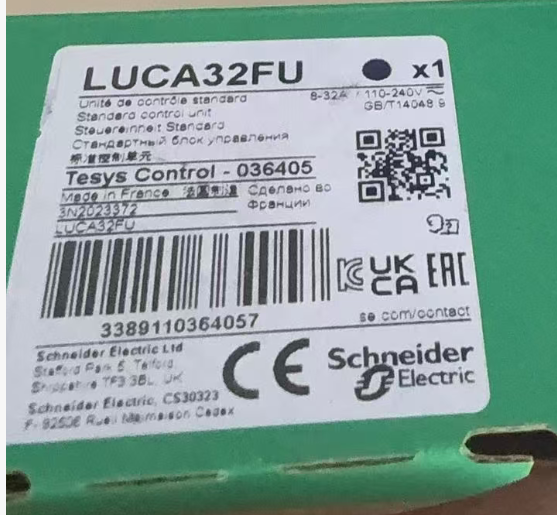
LUB12 standard controll unit
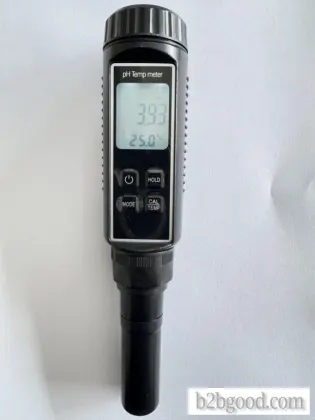
PH- A6 防水笔式高精度 pH / 温度计

Contact Info
- Address: Dezhou city,Shandong,China
- Phone: +86-15166945837
- Email: dzheibei@sohu.com