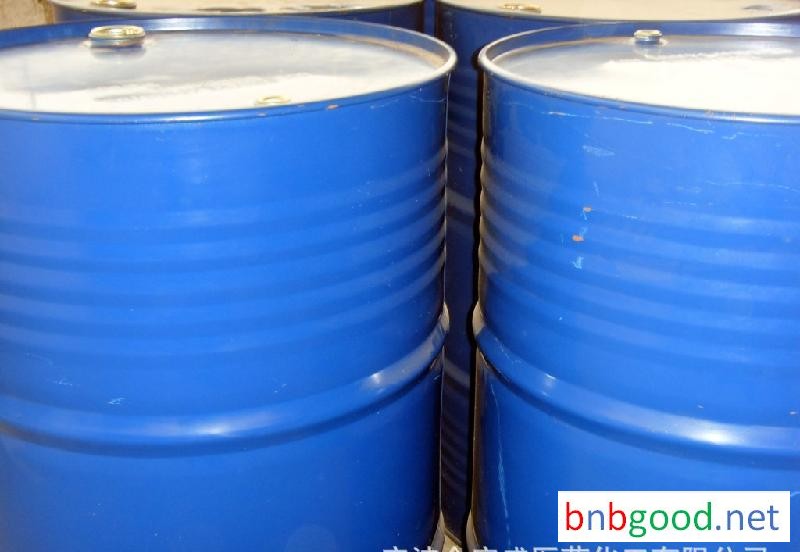
吡啶 工业级桶装氮苯助染变性剂通用杂环化合物 金属缓蚀剂批发
Inhouse product
-

LUB12 standard controll unit
$60.00 -
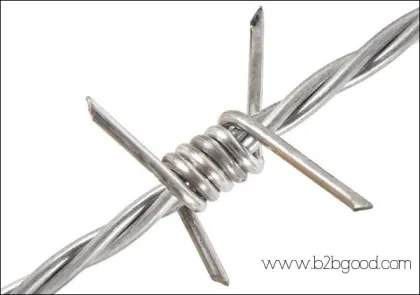
Barbed Wire
$0.00 -
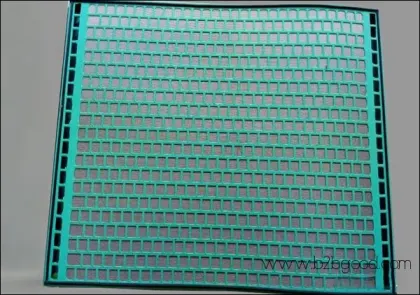
Perforated Sheet Mesh
$0.00


Due to frequent fluctuations in raw material prices, please contact the seller before placing an order. Additionally, as shipping costs vary by location, please discuss the details with the seller.
Function and Use
PyridinePyridine, an organic compound, is a six-membered heterocyclic compound containing one nitrogen atom. It can be considered a compound in which one CH group in the benzene molecule is replaced by N, hence it is also known as nitrogen benzene. Pyridine is a colorless or slightly yellow liquid with a foul odor. Pyridine and its derivatives are found in bone tar, coal tar, gas, shale oil, and petroleum. Industrially, pyridine is used as a denaturant, a dyeing aid, and a raw material for the synthesis of a variety of products, including pharmaceuticals, disinfectants, dyes, and more.
Appearance and Properties
Colorless or slightly yellow liquid with a foul odor.
Melting point (℃): -41.6
Boiling Point (℃): 115.3
Relative density (water=1): 0.9827
Refractive Index: 1.5067 (25°C)
Relative vapor density (air = 1): 2.73
Saturation vapor pressure (kPa): 1.33/13.2°C
Flash Point (℃): 17
Ignition Temperature(℃): 482
Heat of combustion (constant pressure) (KJ/mol): 2826.51
(KJ/mol): 2782.97
Specific Heat Capacity (21°C, Constant Pressure) (KJ/kg.K): 1.64
Critical Temperature (℃): 346.85
Critical Pressure (MPa): 6.18
Conductivity (25°C) (μS/cm): 4
Thermal Conductivity (20°C) (W/m·K): 0.182
Viscosity (15°C) (mPa·S): 1.038
(20℃) (mPa·S): 0.952
(30℃) (mPa.S): 0.829
Boiling Heat (25℃) (KJ/mol): 40.4277
Heat of fusion (KJ/mol): 7.4133
Heat Generation (Liquid) (KJ/mol): 99.9808
Chemical properties
Pyridine and its derivatives are more stable than benzene, and their reactivity is similar to that of nitro groups. Typical aromatic electrophilic substitution reactions occur at positions 3 and 5, but their reactivity is lower than that of benzene, and they generally do not undergo nitration, halogenation, sulfonation, and other reactions. Pyridine is a weak tertiary amine; in an ethanol solution, it can form water-insoluble salts with various acids, such as... Industrially used pyridine contains about 1% 2-methylpyridine, which allows for the separation of pyridine from its homologues by exploiting the difference in salt formation properties. Pyridine can also form crystalline complexes with various metal ions. Pyridine is more susceptible to reduction than benzene; for example, it can be reduced to hexahydropyridine (also known as...) under the action of... and ethanol. When pyridine reacts with..., it can be easily oxidized to N-oxypyridine.
Application Approaches
In addition to serving as a solvent, pyridine is also used in industry as a starting material for the synthesis of a variety of products, including pharmaceuticals, disinfectants, dyes, food flavors, adhesives, and more.
Pyridine can also be used as a catalyst, but the dosage must not be excessive, otherwise it will affect the quality of the product.
Used as a corrosion inhibitor, pyridine has a corrosion inhibition effect on metals, utilizing its adsorption properties to achieve this purpose.
Derivative Products
Many derivatives of pyridine are important medications, some of which are essential components of vitamins or enzymes. A derivative of pyridine is an anti-tuberculosis drug, and 2-methyl-5-vinylpyridine is a raw material for synthetic rubber.
Ningbo Jinansheng Pharmaceutical and Chemical Co., Ltd. distributes and sells a variety of heterocyclic compounds and chemical additives that are well-selling in the consumer market. These products enjoy a high reputation among consumers. The company has established long-term and stable cooperative relationships with many retailers and agents. Ningbo Jinansheng Pharmaceutical and Chemical Co., Ltd. offers a comprehensive range of heterocyclic compounds and chemical additives at reasonable prices. With strong capabilities, the company values credit, adheres to contracts, and ensures product quality. By focusing on a variety of products and adopting the principle of small profits but quick turnover, the company has won the trust of a wide range of customers.
Business contact email: jinanshengyihua@163.comFixed telephone: 86-0574-86282088Contact Address: No. 1188, Pinghai Road, Zhaobao Mountain Street, Zhenhai District, Ningbo City, Zhejiang Province
Please contact the supplier.Or apply for purchasing agent mailto:
Related products
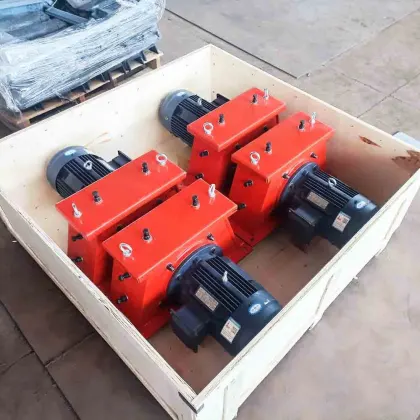

Fluke-805

Folding arm crane
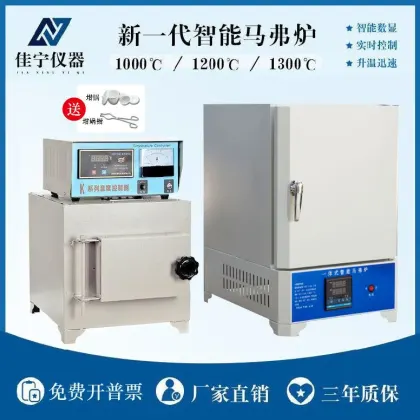
SX2智能马弗炉热处理灰分退火淬火炉高温箱式电阻炉实验电炉工业
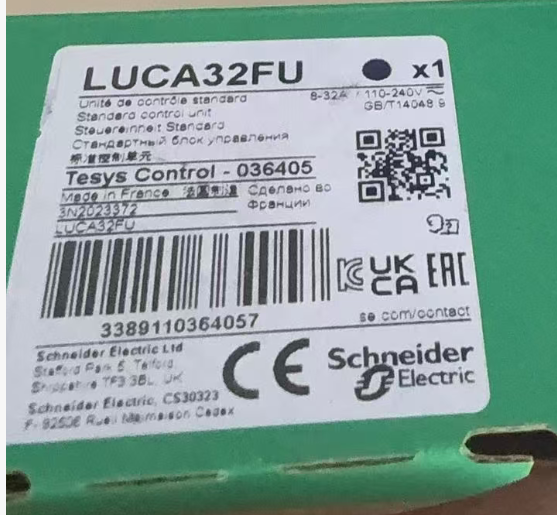
LUB12 standard controll unit
PH- A6 防水笔式高精度 pH / 温度计

Contact Info
- Address: Dezhou city,Shandong,China
- Phone: +86-15166945837
- Email: dzheibei@sohu.com