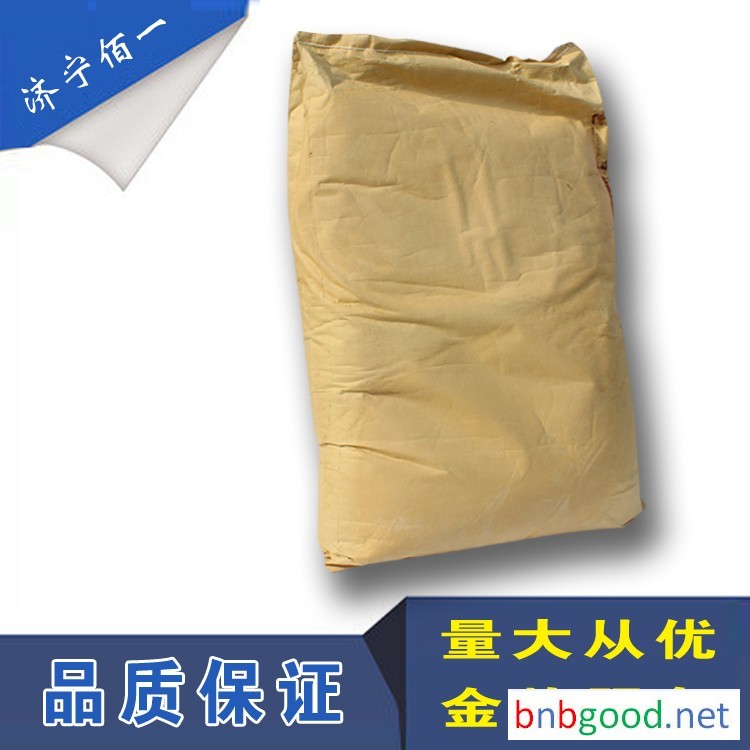
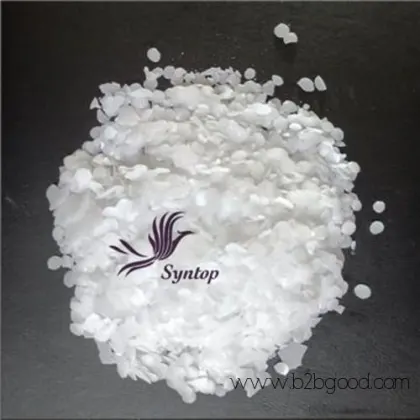
![[promotion] 1kg succinic acid sample pack, industrial grade CAS No.: 110-15-6](/uploads/products/2026-07-28/dzt-cn-19140966592-130422848bf0.jpg)
[promotion] 1kg succinic acid sample pack, industrial grade CAS No.: 110-15-6
Inhouse product
-

LUB12 standard controll unit
$60.00 -
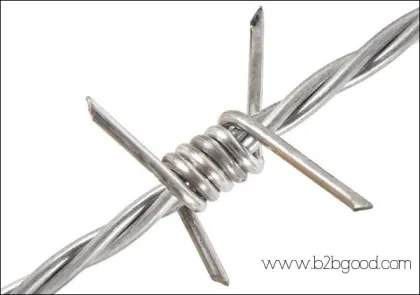
Barbed Wire
$0.00 -
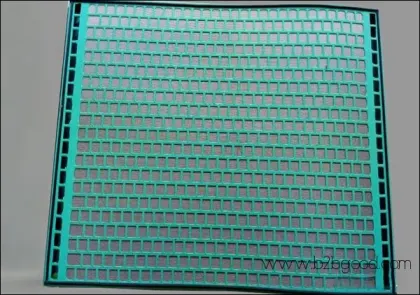
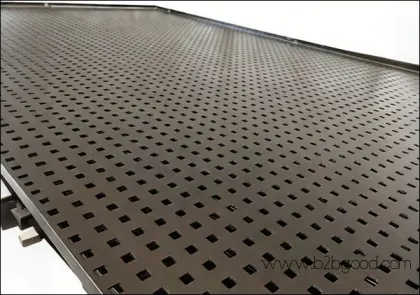
Perforated Sheet Mesh
$0.00

Succinic acid is a colorless crystal; its relative density is 1.572 (25/4°C), melting point is 188°C, and it decomposes at 235°C. It can sublime when distilled under reduced pressure; it is soluble in water, and slightly soluble in ethanol, ether, and acetone.
In industry, succinic acid is often produced by the catalytic reduction of butenedioic acid. Succinic acid can also be prepared by the hydrolysis of butanedinitrile. In the laboratory, succinic acid can be obtained by reacting sodium diethyl malonate with iodine, followed by hydrolysis and decarboxylation.
The important use of succinic acid is the preparation of five-membered heterocyclic compounds. For example, succinic acid rapidly loses water upon heating, forming succinic anhydride, which is a furan ring compound. Succinic anhydride is an important raw material for the production of pharmaceuticals, dyes, and alkyd resins. When succinic anhydride is heated with ammonia, it produces succinimide. The hydrogen on the imine group of succinimide can be substituted with bromine to form N-bromosuccinimide, which is a brominating agent and a mild oxidizing agent in organic synthesis. Succinic acid has antispasmodic, expectorant, and diuretic effects in medicine. Succinic acid diethyl ester is an important intermediate in organic synthesis. Succinic acid dibutyl ester and dioctyl ester are plasticizers. Succinic acid diallyl ester, when copolymerized with 1,3-butadiene, can be used to produce synthetic rubber.
Main Purposes
Succinic acid (including its salts) can produce a sour taste and flavor. It is used in soy sauce, Japanese sake, seasonings, and other products. Sodium succinate is a white crystalline powder with a unique taste of shellfish, and it is used in the food industry as a flavoring agent, acidulant, and buffer. It is also used in ham, sausages, aquatic products, and flavoring liquids. Succinic acid can be used as a preservative, pH regulator, and solubilizer. Additionally, it can be used to synthesize antidotes, diuretics, sedatives, hemostatic agents, synthetic antibiotics, and vitamins A and B. As an ionic chelating agent, succinic acid is used in the electroplating industry to prevent corrosion and pitting of metals. Succinic acid is a good surfactant and is a component of detergents, soaps, and demulsifiers. It can also be used to produce depilatory agents, toothpaste, cleaning agents, and high-efficiency wrinkle-fighting beauty esters. Succinic acid is also used in lubricants, additives, and elastomers. In textile processing, it can be used for sizing to prevent shrinkage and improve dyeability. It also improves the viscosity of caprolactam and fire resistance.
It is mainly used for the preparation of pentacyclic compounds such as succinic anhydride.
Also used in the preparation of alkyd resins (alkyd resins produced from succinic acid have good flexibility, elasticity, and water resistance), paints, dyes (the diphenyl ester of succinic acid is an intermediate for dyes, which reacts with aminanthraquinone to produce anthraquinone dyes), food flavoring agents (succinic acid can also be used as a food acid flavor agent for flavoring wine, feed, candies, etc.), and photographic materials.
In the pharmaceutical industry, it can be used to produce sulfonamides, vitamin A, vitamin B, and other antispasmodic, expectorant, diuretic, and hemostatic drugs. As a chemical reagent, it is used as a standard reagent for the alkali titration method, a buffer, and a reference sample for gas chromatography. It can also be used as a raw material for lubricants and surfactants.

Related products

Fluke-805

Folding arm crane
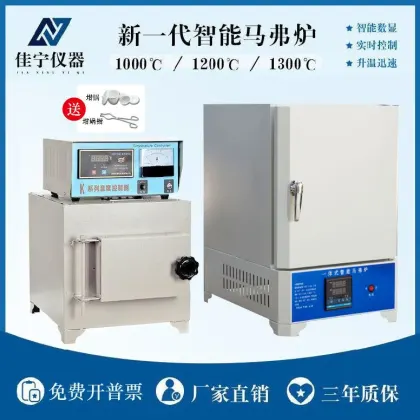
SX2智能马弗炉热处理灰分退火淬火炉高温箱式电阻炉实验电炉工业
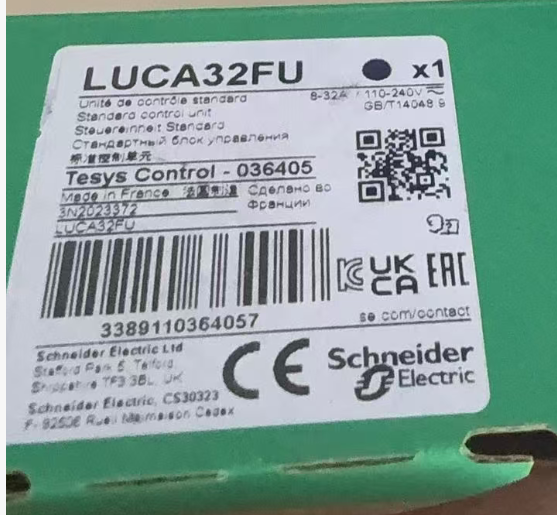
LUB12 standard controll unit
PH- A6 防水笔式高精度 pH / 温度计

Contact Info
- Address: Dezhou city,Shandong,China
- Phone: +86-15166945837
- Email: dzheibei@sohu.com