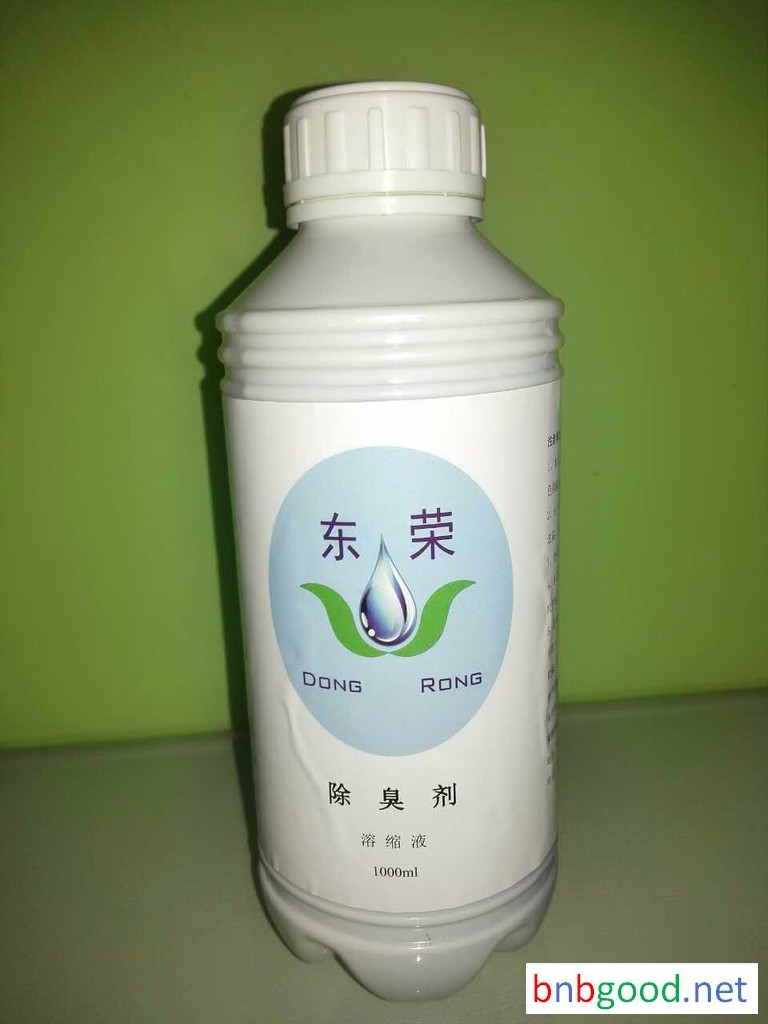
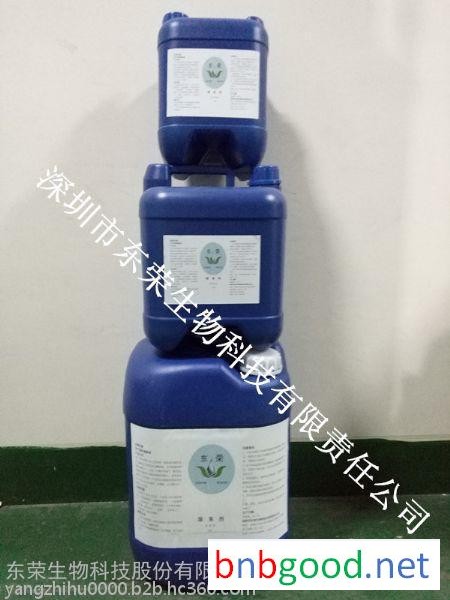
东荣微生物制剂污泥除臭液垃圾站淤泥减量技术吸附和分解碳水化合物和汽水的二氧化碳
Inhouse product
-

LUB12 standard controll unit
$60.00 -
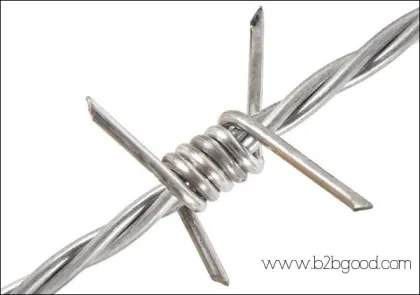
Barbed Wire
$0.00 -
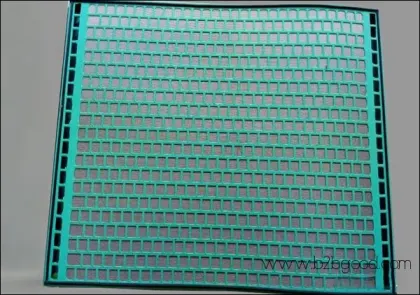
Perforated Sheet Mesh
$0.00
<< r Product Introductionr
r<< r
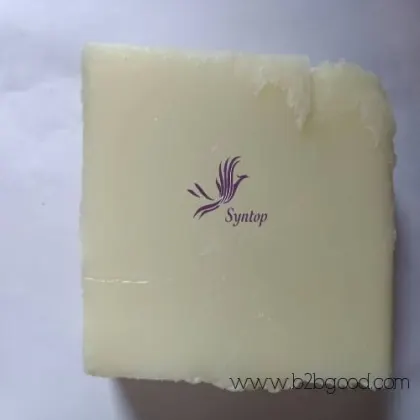
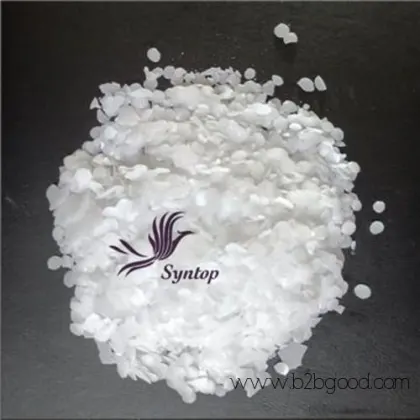
The activated sludge process, as the most widely used biological wastewater treatment technology in the world, features mature technology, a variety of processes, and effective wastewater treatment results. However, one major drawback of the activated sludge process is the generation of large amounts of excess sludge. Excess sludge contains harmful substances such as pathogens, heavy metals, and organic matter, which can cause secondary environmental pollution if not properly disposed of. Current disposal methods include sanitary landfills, agricultural use, land utilization, and incineration. With the increasingly stringent regulations on sludge disposal and the development of environmental protection, these methods can no longer meet the needs of wastewater treatment plants. This leads to increasing pressure on sludge disposal in wastewater treatment plants, becoming an increasingly serious issue worldwide. To address the problem of excess sludge in wastewater treatment plants, many scholars both domestically and internationally have conducted various explorations and research, proposing various technical approaches and achieving significant results. Among these, sludge reduction is a new concept introduced in the 1990s to solve the problem of excess sludge. It involves using physical, chemical, and biological methods to reduce the amount of sludge produced during treatment while ensuring the operational effectiveness of the biological treatment system in wastewater treatment plants. Recent research includes uncoupling technology, metabolic maintenance technology, cell lysis technology, microorganism predation technology, and various physical and chemical pretreatment technologies.However, existing sludge reduction technologies cannot be consistent with the processes of existing wastewater treatment plants. They require modification and adjustment, and may introduce new problems, thus they cannot be effectively applied in wastewater treatment plants. This paper addresses the sludge issue in wastewater treatment plants by introducing specialized microorganisms during the wastewater treatment process. This enhances the composition and function of the microorganisms in the activated sludge, promotes the decomposition of organic pollutants, and continuously decomposes dead microbial cells. As a result, the amount of excess sludge produced is significantly reduced, reducing the need for subsequent treatment of excess sludge. This approach aims to control the production of excess sludge in wastewater treatment plants from the source. The process of enhancing microorganisms only changes the composition and function of the microorganisms in the activated sludge, without altering the processes and operating conditions of the wastewater treatment plants. It has a good adaptability and represents the development direction for technologies that reduce the amount of excess sludge at the source.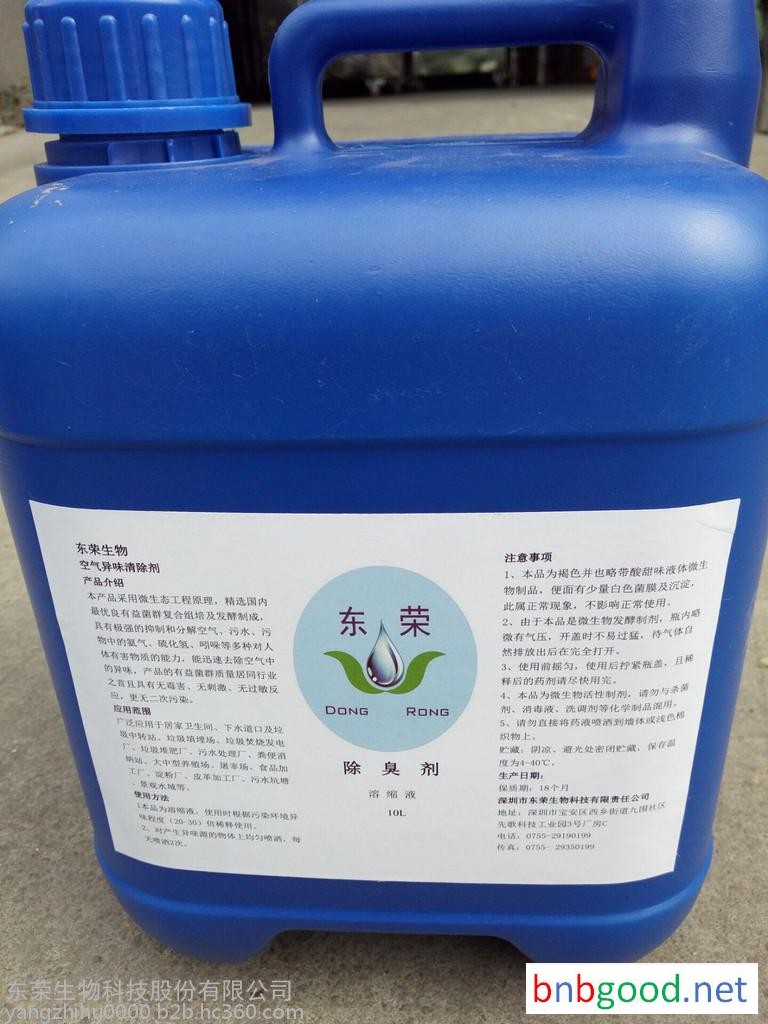
 <<
r
<<
r
Related products
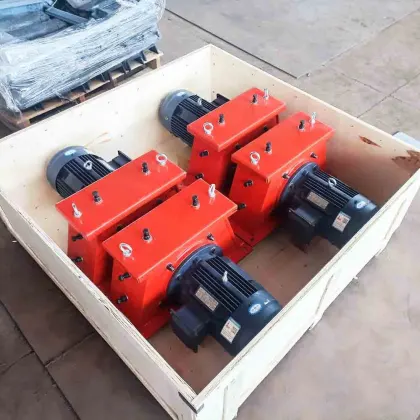
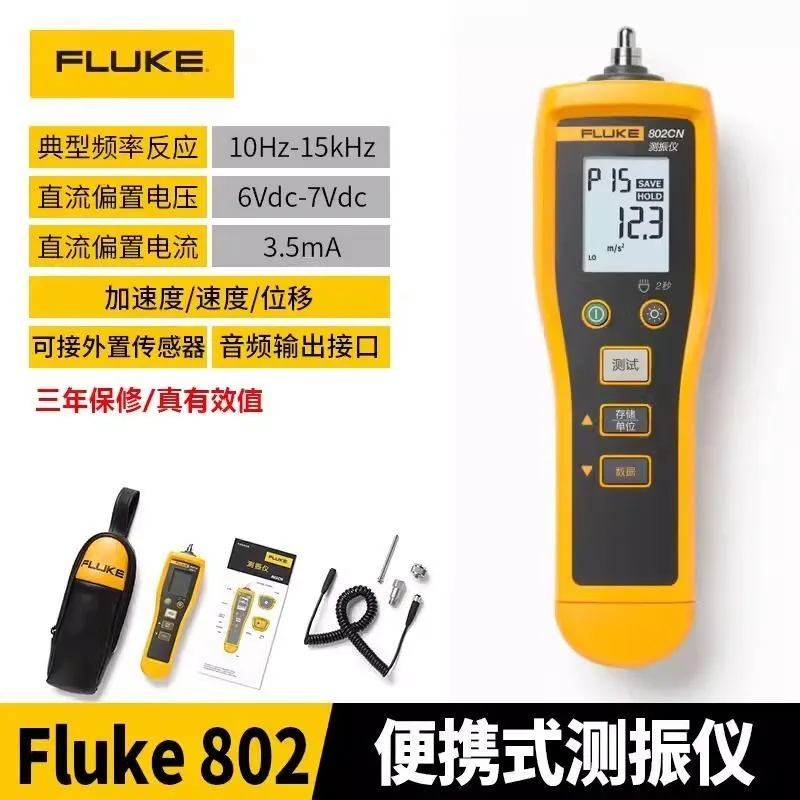
Fluke-805
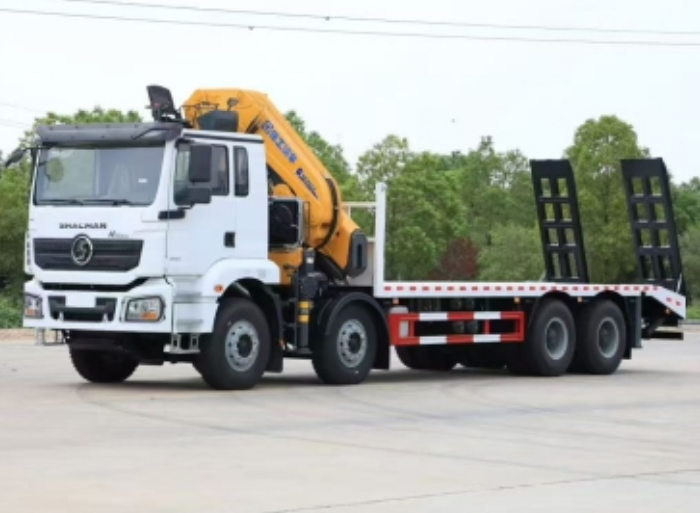
Folding arm crane
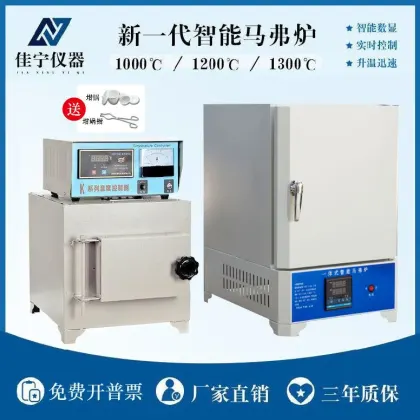
SX2智能马弗炉热处理灰分退火淬火炉高温箱式电阻炉实验电炉工业
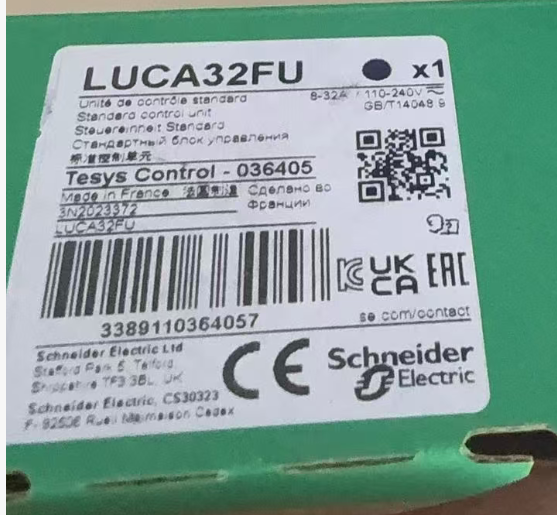
LUB12 standard controll unit
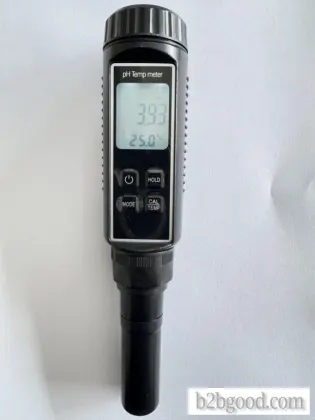
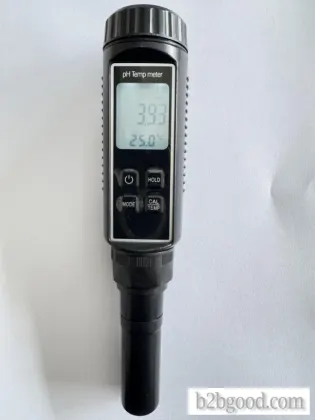
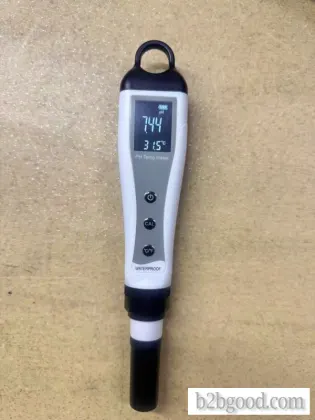
PH- A6 防水笔式高精度 pH / 温度计

Contact Info
- Address: Dezhou city,Shandong,China
- Phone: +86-15166945837
- Email: dzheibei@sohu.com