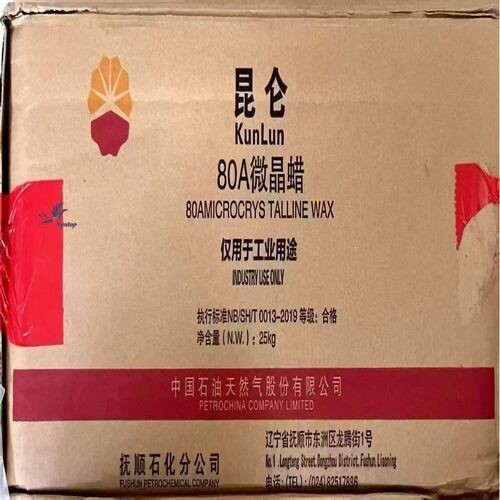
Industry grade microcrystalline wax for adhesive processing
syntop chemical co ltd
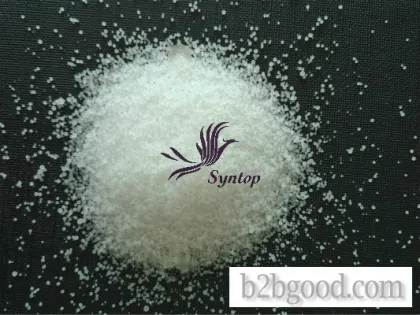
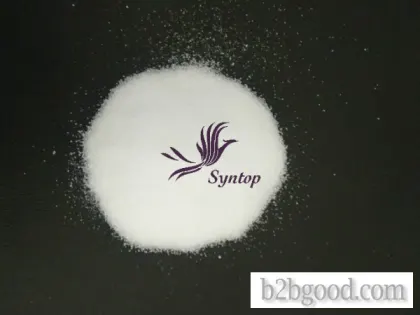

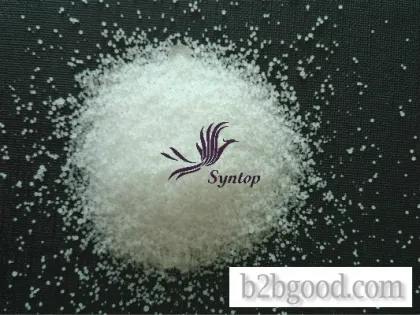
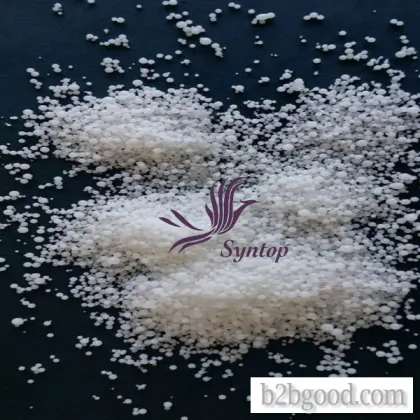
In adhesives, microcrystalline wax is primarily used as a tackifier, flexibility regulator, and structural forming agent, leveraging its high melting point, strong adhesion, and excellent extensibility.
Enhancing adhesion and cohesion: Microcrystalline wax molecules contain a large number of branched alkanes and cycloalkanes. When melted, they exhibit good wetting properties on substrates; after cooling, they form a dense microcrystalline structure, significantly improving the initial tack and long-term adhesion of the adhesive.
Providing flexibility and crack resistance: Compared to the brittleness of paraffin wax, microcrystalline wax is soft and highly ductile, capable of absorbing stress and preventing the adhesive from cracking during bending or temperature changes, making it particularly suitable for applications subject to dynamic stress.
Regulating rheology and heat resistance: As a thickener, it optimizes the viscosity of the adhesive and prevents sagging; its high melting point gives the adhesive better dimensional stability and heat resistance at elevated temperatures.
Related products

Contact Info
- Address: Dezhou city,Shandong,China
- Phone: +86-15166945837
- Email: dzheibei@sohu.com